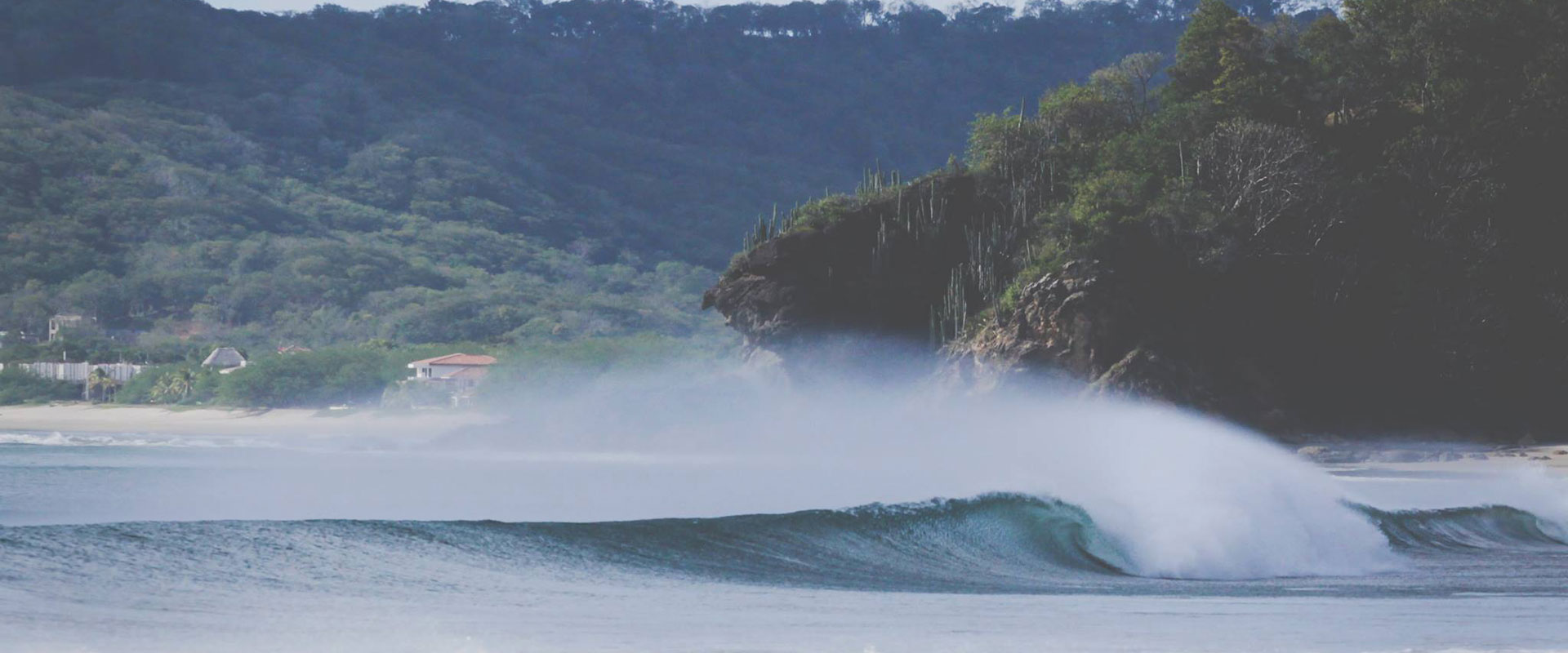
There are surf destinations that are technically impressive on paper — and then there are places that hit you differently the first time you paddle out. Santa Catalina is the second kind. Sitting on a remote stretch of the Veraguas coast, six hours from Panama City down a road that eventually turns to gravel, it produces one of the most consistent and powerful waves in Central America — and somehow, it remains genuinely uncrowded by any global standard.
I've surfed Santa Catalina more times than I can count. In flat spells and in double overhead swells that had even the local crew sitting on the beach watching. It never gets old, and it never disappoints surfers who come prepared.
The Wave
Santa Catalina's main break — La Punta — is a right-hand point break that peels over a shallow reef at the southern end of the beach. On a good day, a set wave will break at head-high-plus, wall up through a fast hollow section, and run for 150–200 meters down the point. At peak swell season (June–August), when south swells from the South Pacific roll in, it can hold waves up to double overhead with proper barrel sections.
The reef is sharp, the current is real, and the takeoff zone requires confidence and positioning. This is not a wave for beginners or nervous intermediates. But for surfers who are comfortable on overhead reef breaks, it is genuinely exceptional — consistent, powerful and with a shape that rewards good surfing rather than just surviving.
Best Time to Surf Santa Catalina
The Pacific swell season runs April through October, but Santa Catalina truly lights up from May through August. During this window, south and southwest swells generated by South Pacific storms produce long-period energy that travels thousands of miles before wrapping into La Punta. June and July are the peak months — consistent overhead surf with enough variation that you can pick your sessions.
Outside peak season, from November to March, the swell is inconsistent but not dead. There are still good weeks, particularly with winter north swells. The village is quieter, accommodation is cheaper, and when a swell does arrive you'll have it nearly to yourself.
Getting There
Santa Catalina is roughly 320km from Panama City and takes 5–6 hours to drive. The route passes through Santiago and then heads south toward the coast, with the last stretch on unpaved road. There's no airport nearby. Most visitors either rent a car in Panama City or — the smarter option — arrange private transport through a guided surf trip, which also handles accommodation, gear and daily surf logistics.
The village itself is small, low-key and exactly what a remote surf town should be. There are a handful of surf camps, a few restaurants and cold-water eco-lodges within walking distance of the point. The Wi-Fi is bad. The sunsets are extraordinary.
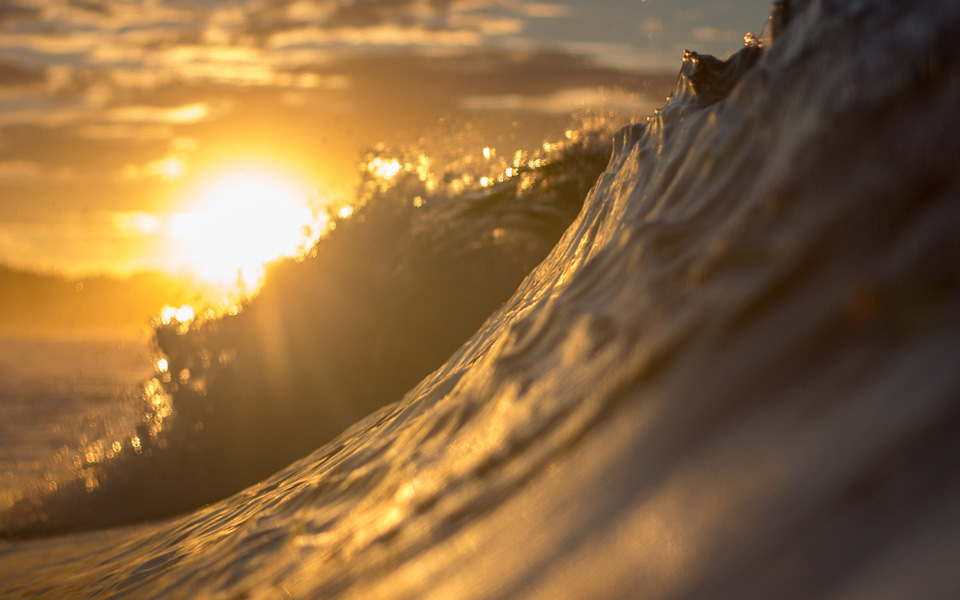
Late afternoon light on a clean set at La Punta — peak season produces waves like this most days
Who Should Surf Santa Catalina
The honest answer: intermediate to advanced surfers who are comfortable on overhead reef breaks and know how to read a lineup. The reef at La Punta is shallow and unforgiving. Wipeouts happen — they happen to good surfers too — and when you go over the falls here, you feel it. Reef booties are strongly recommended, and surfing with someone who knows the break is genuinely valuable.
If you're a beginner or haven't surfed reef before, Santa Catalina is not where I'd start your Panama trip. Playa Venao and Playa Río Mar are the right foundation. But if you've put in the time and you're ready — Santa Catalina will be one of the best waves you've ever surfed.
⚡ Quick Facts — Santa Catalina
- Location: Veraguas Province, Pacific Coast
- Distance from Panama City: ~320km / 5–6 hour drive
- Wave type: Right-hand point break over reef
- Best swell direction: South / SW
- Best wind: Offshore (NE) — strongest mornings
- Wave height: 2–10ft, best at 4–8ft
- Water temp: 26–29°C — no wetsuit needed
- Skill level: Intermediate–Advanced (reef experience required)
- Crowds: Low — rarely more than 15–20 out even on good days
Combining with a Coiba Day Trip
The best addition to any Santa Catalina trip is a boat day to Coiba National Park — a UNESCO World Heritage site 45 minutes offshore. The coral reef around Coiba produces several world-class breaks that are almost never surfed. I've been out there with two other people on a perfect 5-foot day. The water visibility is surreal, whale sharks pass underneath you in the lineup, and the waves are excellent. It's one of the most extraordinary experiences Panama has to offer, and it's only accessible by boat from Santa Catalina.