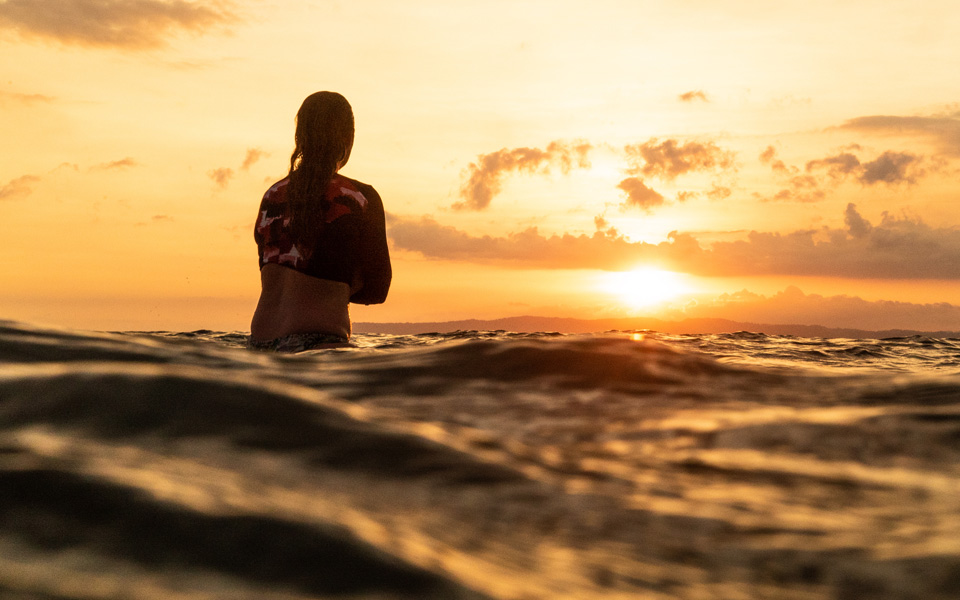
Every country with good surf has a version of this: spots that the locals know, that don't show up on any map, that aren't listed on Surfline or Surfline or any surf travel site. You can't find them by searching. You can't rent a car and drive until you spot them. You need to know someone who knows them — and that person needs to trust you enough to take you there.
Panama has more of these spots than most countries its size. The combination of two coastlines, hundreds of kilometres of uninhabited Pacific and Caribbean shoreline, a relatively undeveloped surf scene by global standards, and the kind of complex bathymetry that creates unexpected breaks in unexpected places — it all adds up to a significant number of waves that have never been surfed by a tourist.
Why Panama's Secret Spots Exist
Most developed surf destinations around the world have been thoroughly mapped. Costa Rica, Bali, Mexico, Portugal — every break within driving distance of anywhere has been catalogued, photographed, rated and published. Panama is different. The surf tourism industry here is still relatively young, the coastlines are long, access to many areas requires local knowledge, and there's a strong culture among Panamanian surfers of simply not publishing what they've found.
I've been surfing Panama for over ten years, and in that time I've found breaks by boat, by hiking, by following local fishermen who mentioned "olas grandes" (big waves) in places I hadn't explored. Some of those breaks have never been ridden by anyone other than the people I've taken there. I intend to keep it that way.
What You Actually Get
On a guided surf trip with SurfPanama, hidden breaks aren't a bonus — they're part of the core offering. Every Classic Surf Week and Full Immersion package includes at least one session at a spot that doesn't appear on any public surf guide. The experience is different from surfing a well-known break in a way that's hard to describe until you've done it.
There's no crowd to navigate. No jostling for position in the lineup. No one dropping in. Just you, the people you came with, and a wave that is genuinely yours for the session. I've watched people paddle out to these spots and go quiet for a moment when they realise what they're looking at. That silence, followed by a grin — that's what it's about.
Are Secret Spots Always Advanced?
No — and this is an important distinction. Some of the hidden breaks I know are powerful reef waves that only experienced surfers should approach. But others are gentle, tucked-away beach breaks that are perfect for beginners precisely because they're empty. One of my favourite spots to take first-time surfers is a beach that doesn't appear anywhere online — soft sand bottom, consistent small swell, and the only footprints in the sand are ours.
The right spot depends on your level, the current swell and the time of year. That's the judgment call a local guide makes every single day — reading the conditions, knowing which breaks are firing and which aren't, and routing the trip accordingly.
How to Access Panama's Secret Spots
The answer is simple: come with someone who knows them. There's no other way. These breaks aren't accessible by following directions, downloading a surf app, or asking in forums. The whole reason they're secret is that the people who know them have chosen not to publish the information.
Book a guided trip and I'll take you there. That's the deal — and it's one that more surfers who visit Panama wish they'd taken from the beginning, rather than spending their whole trip at the three spots that show up in every travel article.
🤫 What I Can Tell You
- There are at least 6 breaks I know that don't appear on any published surf guide
- They span both the Pacific and Caribbean coasts
- They cover beginner, intermediate and advanced skill levels
- Access requires private transport, sometimes a boat, and always local knowledge
- None of them will be published here — or anywhere
- Every guided trip package includes at least one hidden break session