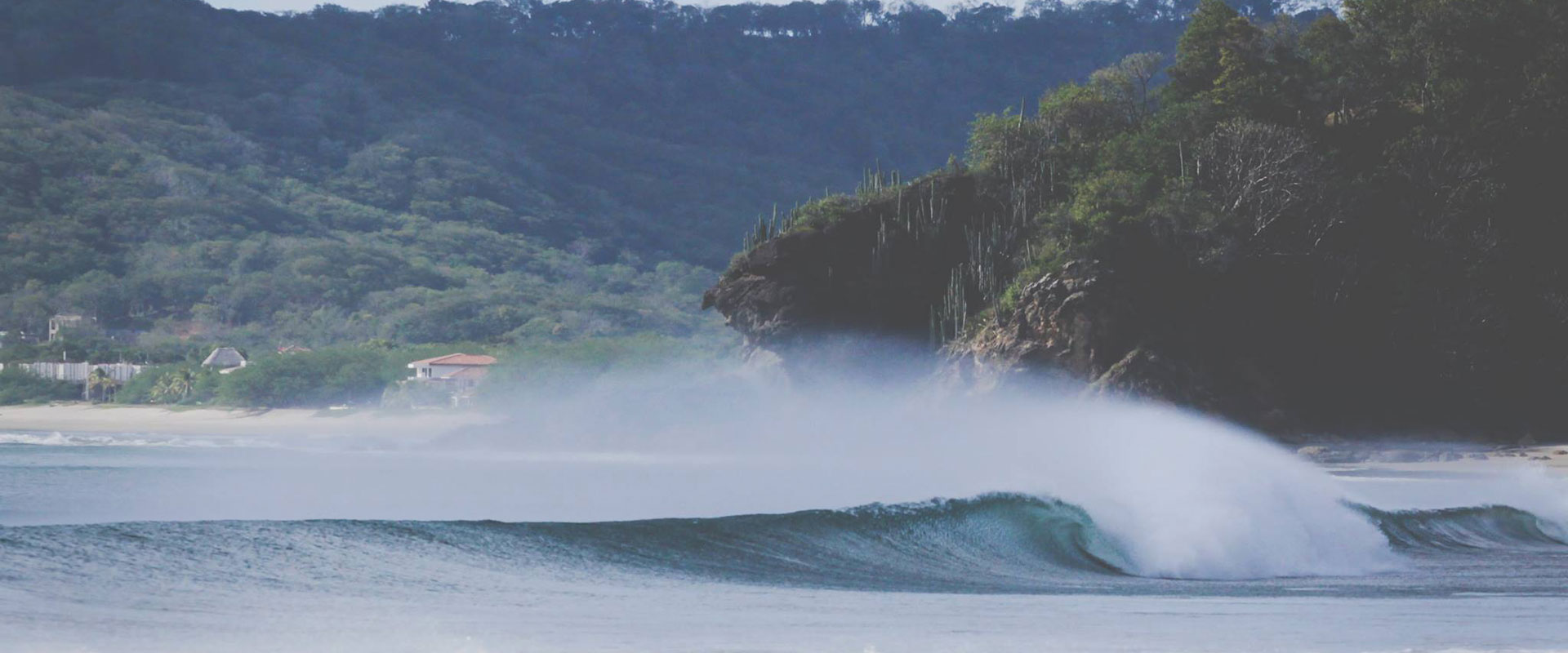
There is a small fishing village on Panama's Pacific coast, five to six hours from Panama City, that most surfers have never heard of. The road in is unpaved for the last stretch. There is no airport. The town has a handful of hostels, a few restaurants serving fish caught that morning, and a beach that faces directly into the South Pacific swell window. That beach is Santa Catalina, and it has one of the best right-hand reef breaks in Central America.
Surfing in Santa Catalina Panama is not like surfing at a resort destination. There are no luxury hotels. The power goes out occasionally. The surf forecast is the only schedule that matters. And in July, when a large south swell arrives and La Punta stands up from the reef in long, hollow, charging walls that run for 200 metres down the point — nobody is thinking about anything else.
This is the complete honest guide to surfing Santa Catalina in 2026. The wave, the season, who it's for and everything you need to know before making the trip.
La Punta — The Wave That Defines Santa Catalina
Santa Catalina's main break is La Punta — a right-hand point break that peels over a shallow reef at the southern end of the beach. It is the reason surfers make the six-hour drive from Panama City, the reason people extend their trips when they arrive and find it firing, and the reason Santa Catalina belongs on any serious surfer's Central America list.
The wave breaks in two distinct sections. The takeoff happens at the top of the point — a steep, fast drop that commits you immediately. The wall then peels right for as long as the swell has energy to give it — on a good day, a minute or more of connected riding before the wave fades into the channel. Between those two points you'll encounter a fast hollow section, a workable wall for turns, and on bigger swells a barrel section that throws out hard before backing off slightly.
The reef beneath is shallow. Falls at La Punta are consequential — this is not a wave where you can get casual. The current runs south along the point and you'll find yourself back at the top of the lineup after every wave, which is part of what makes sessions here feel relentless in the best possible way. When the swell is pumping and you find your rhythm in the lineup, La Punta is as good as anything in the region.
There is also a beach break in front of the village that activates on smaller swell days. Less powerful, more forgiving and suitable for intermediate surfers who aren't ready for the reef. On days when La Punta is overhead and heavy, the beach break provides a pressure valve for less experienced surfers in the group without sending them home without a wave.
The Santa Catalina Surf Season
Santa Catalina runs on South Pacific swells — long-period energy generated by storm systems thousands of kilometres south and west, which travel north and arrive at Panama's Pacific coast with consistency and power. The season is clear and follows a reliable annual pattern.
July is the single best month to surf Santa Catalina. Consistent overhead to double overhead swells, longest period energy, most reliable conditions. If you can only go once and want the highest probability of world-class surf, July is the answer. Book accommodation in advance — the village fills up.
June and August match July in quality and are statistically nearly as consistent. The peak season really runs as a continuous three-month window, not a single peak month. Any week in June, July or August has a high probability of delivering memorable surf.
May and September are the shoulder seasons — swell is building or tapering but still very good. May is particularly underrated: the crowds are lower, accommodation is easier and cheaper to find, and Santa Catalina regularly fires in May on the advancing swells of the season. September tapers off more notably toward the end of the month.
October is variable — some years it extends the season with quality swells, other years it drops off quickly. Check the extended forecast before committing to an October trip specifically for surf. November through March the break goes quiet. The beach is still beautiful and the village is still there, but dedicated surfers should target the Pacific season window.
Who Should Surf Santa Catalina
If you surf reef breaks confidently at overhead and above, Santa Catalina in peak season is as good as anything in Central America. La Punta rewards surfers who can read the lineup, paddle efficiently in current and handle a powerful take-off. Come in July. Bring your best board.
Intermediate surfers can have an excellent time at Santa Catalina during the shoulder season. In April and May the swell is building but not yet peak — La Punta is more manageable and the beach break is consistently fun. Avoid July and August if you're not comfortable on reef at overhead height.
Santa Catalina is not the right starting point for a beginner. The reef, the current and the power of the break require experience to navigate safely. Begin at Playa Venao or Playa Río Mar first — both are far more forgiving and you'll progress faster on appropriate waves before stepping up to a spot like this.
The Daily Rhythm at Santa Catalina
One of the most important things to understand about surfing Santa Catalina is the wind pattern. The sessions are not evenly distributed through the day — the morning is where the best surf happens, and understanding why helps you make the most of every day.
A Typical Surf Day — Peak Season
The implication is clear: dawn patrol is not optional at Santa Catalina, it's the main event. Surfers who sleep through the early morning miss the best conditions every single day during peak season. Set the alarm, get in the water early, rest in the middle of the day. That rhythm is the difference between a good trip and an exceptional one.
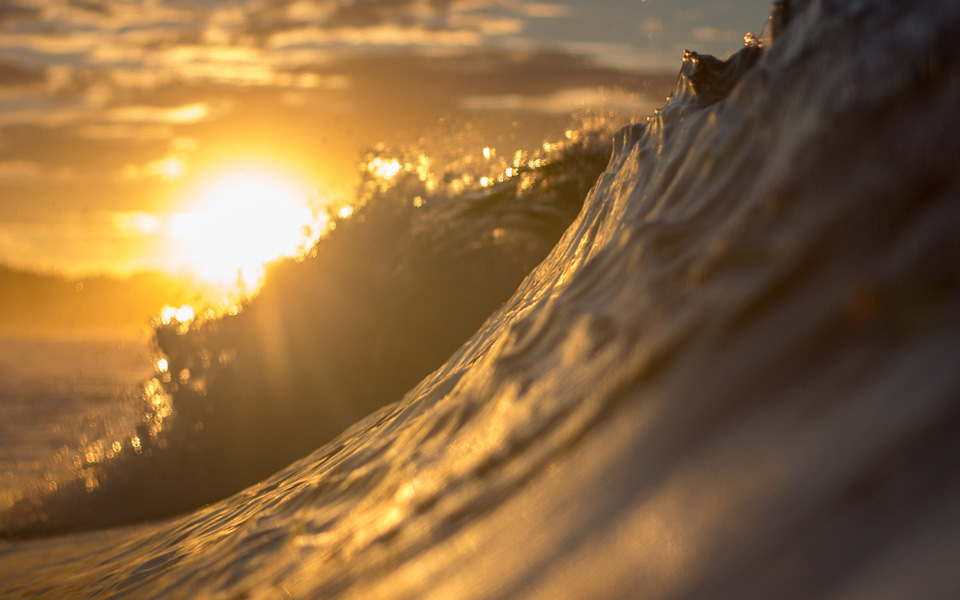
Peak season morning at Santa Catalina — offshore winds, glassy surface, the point walling up from the reef
Getting to Santa Catalina Panama
Santa Catalina is remote by design — which is part of why it's still as uncrowded as it is for a wave of this quality. Getting there takes commitment, and that commitment filters out the casual visitor.
The drive from Panama City is approximately 5–6 hours depending on traffic. The route goes west on the Pan-American Highway, exits toward Santiago in Veraguas Province, then continues through Soná and Arenas before reaching the village. The last 10–15 kilometres before Santa Catalina are on an unpaved dirt road — manageable in any standard vehicle, though a 4x4 is more comfortable and recommended if it's been raining heavily. There is no commercial airport near the village.
There is a bus from Panama City to Santa Catalina with a change in Santiago — the total journey takes 7–8 hours and is a legitimate option for the budget-conscious traveller. The journey itself passes through the Panama interior and gives you a sense of the country that the highway doesn't.
On a guided trip, private transport from Panama City handles everything — pickup at your hotel, drive with the boards, local knowledge on road conditions and the option to adjust the itinerary based on the actual swell forecast. The flexibility that provides is significant: if a better swell is building somewhere else or the forecast shifts, you're not committed to a rental car schedule.
Where to Stay and What to Expect
Santa Catalina is a small fishing village — this is not a resort destination and it doesn't pretend to be. Accommodation runs the range from basic backpacker hostels to comfortable surf lodges with their own boards and guides. Most places are walking distance from the beach and La Punta. The better lodges know the surf and can brief you on conditions, lineups and tide windows.
Food in the village is limited but good. Fresh fish is the staple — caught the same day, prepared simply, eaten overlooking the ocean. There are a handful of restaurants and a small market. Bring any specific provisions you need from Santiago or Soná on the way in — Santa Catalina's supply options are modest.
The village has electricity, WiFi in most accommodation and mobile signal (variable). It is genuinely remote but not uncomfortable. The surfers who visit Santa Catalina are not looking for luxury — they're looking for world-class waves in a setting that hasn't been polished for tourism, and that's exactly what they find.
Coiba Island — The Day Trip That Changes Everything
One of Santa Catalina's best-kept secrets is what lies offshore. Coiba National Park — a UNESCO World Heritage site and one of the most biodiverse marine environments in the Eastern Pacific — is accessible by boat from Santa Catalina. The park encompasses Coiba Island and surrounding waters where hammerhead sharks, whale sharks, manta rays and humpback whales are encountered regularly.
For surfers, Coiba offers something else: offshore reef breaks that almost nobody has surfed. The park's protected status means limited boat access and very few surfers ever reach these waves. On the right swell and tide combination, with a guide who knows where to look, Coiba produces surf that is genuinely off the map — literally and figuratively.
A Coiba day trip from Santa Catalina combines snorkelling on the reef with a surf session at a break that might have fewer than a dozen visitors per year. It's the kind of thing that ends up being the highlight of an entire Panama trip for many of the surfers I take there.
Quick Planning Guide — Santa Catalina 2026
📋 Santa Catalina Surf Essentials
- Best months: July and August — peak South Pacific swell season
- Also excellent: June and September, good in May
- Avoid for surf: November through March — the break goes quiet
- Getting there: 5–6 hour drive from Panama City, last section unpaved
- Skill level: Advanced for La Punta peak season; intermediate in April/May shoulder
- Not suitable for beginners: Start at Venao or Río Mar first
- Water temp: 26–28°C — no wetsuit needed, rash guard recommended
- Best session window: Dawn to 10am — offshore winds, glassy conditions
- Board recommendation: Your best performance shortboard for peak swell; mid-length for shoulder season
- Add-on: Coiba Island boat trip — world-class snorkelling and secret surf breaks
- Combine with: Playa Venao (2 hours apart) for a complete Pacific surf trip