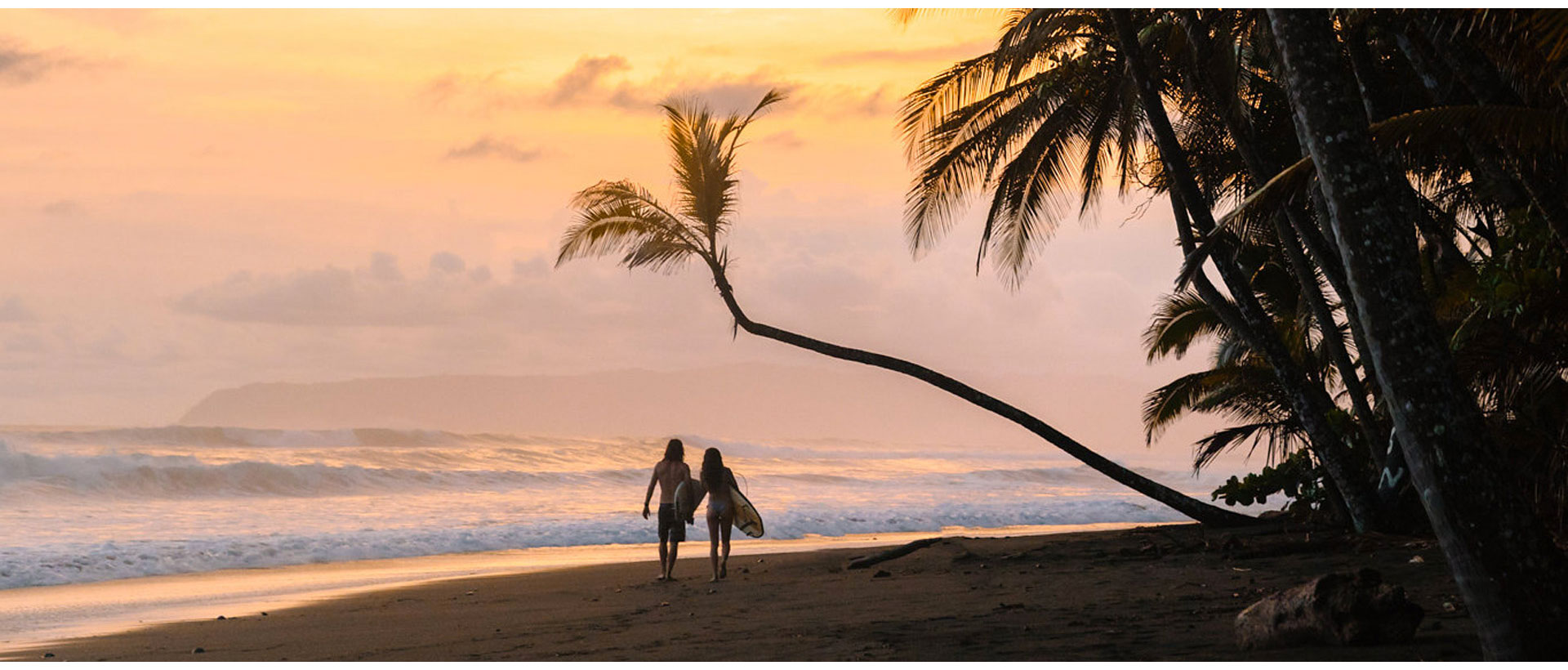
Panama sits just 8 degrees north of the equator, which means one thing above all others: it is warm every single day of the year. You will not be cold in Panama. You will not need a winter jacket. The ocean water temperature stays between 26–30°C (79–86°F) year-round regardless of season. This is the baseline — and it's a good one.
Beyond that baseline, though, Panama's weather is more interesting and more regional than most travel guides make it sound. There are two seasons, yes — but they behave differently depending on whether you're on the Pacific coast, the Caribbean coast or in the highlands. And the rainy season in particular is far less disruptive to a vacation than most first-time visitors fear. Here's the honest, complete picture.
Panama's Two Seasons
Sunshine, low humidity and almost zero rain on the Pacific side. Blue skies most of the day. The most popular time for beach vacations. Temperatures peak in March and April — hottest months of the year at 30–32°C (86–90°F). Hotel prices are at their highest and popular beaches are busiest.
Warm mornings, afternoon thunderstorms. Rain arrives in short, heavy bursts — typically 1–2 hours in the afternoon or evening — then clears. Mornings are usually sunny. Temperatures stay warm at 27–29°C (81–84°F). Vegetation turns lush and green. Fewer crowds, lower prices. October and November see the heaviest rainfall.
The important caveat that most guides miss: the Caribbean coast runs almost in reverse. Bocas del Toro experiences its rainiest months in December and January — when the Pacific side is perfectly dry — and its driest months in September and October, when the Pacific is at its wettest. This inverse relationship is what makes Panama uniquely interesting for year-round travel planning.
Temperatures and What to Expect
Panama's temperatures barely vary month to month — this is the tropics. The variation in humidity and rainfall is far more significant than any temperature change. Here's the full picture:
| Month | Avg Temp | Conditions | Pacific Rain | Caribbean Rain | Best For |
|---|---|---|---|---|---|
| January | 27°C / 81°F | ☀️ Sunny, dry | Minimal | Heavy | Pacific beaches, Panama City |
| February | 27°C / 81°F | ☀️ Sunny, dry | Minimal | Heavy | Pacific beaches, best dry season |
| March | 28°C / 82°F | ☀️ Hot & dry | None | Moderate | Beaches, Boquete hiking |
| April | 29°C / 84°F | ⛅ Transitional | Starting | Moderate | Beaches early, surf building late |
| May | 28°C / 82°F | 🌤️ Mornings clear | Afternoon rain | Moderate | Surf, value travel, lush scenery |
| June | 27°C / 81°F | 🌤️ Mornings clear | Daily PM | Light | Pacific surf — peak season |
| July | 27°C / 81°F | 🌤️ Mornings clear | Daily PM | Light | Best surf month, whale watching |
| August | 27°C / 81°F | 🌤️ Mornings clear | Daily PM | Light | Pacific surf peak, whale watching |
| September | 27°C / 81°F | ⛅ Variable | Moderate | Drier | Surf, wildlife, value |
| October | 27°C / 80°F | 🌧️ Wetter | Heavy | Drier | Bocas del Toro, value travel |
| November | 27°C / 81°F | 🌧️ Wettest month | Very heavy | Building | Budget travel, city breaks |
| December | 27°C / 81°F | ☀️ Dry, pleasant | Ending | Heavy | Pacific beaches, Caribbean surf |
One number worth noting: April is the hottest month, with temperatures occasionally reaching 33°C (91°F) and humidity spiking as the dry season transitions to wet. It's still entirely manageable but this is the month you feel the heat most. The coolest and most comfortable weather on the Pacific side is January through March — warm, breezy and low humidity.
Weather by Region — Panama Is Not One Climate
One of the most common planning mistakes is treating Panama as a single climate zone. It has roughly 100 microclimates across a country smaller than South Carolina. Here's what actually matters for vacation planning:
The most pronounced dry/wet season pattern. December through April is reliably sunny and dry. May through November brings daily afternoon rain. Beaches and surf are best during their respective seasons. The city is pleasant year-round — air conditioning everywhere makes the heat manageable.
Opposite pattern to the Pacific. Rainiest in December–January, driest in September–October. North Atlantic swells make December–March the prime surf window. The Caribbean is rainier overall — even the "dry" months get more rain than the Pacific dry season — but the sun breaks through frequently and the scenery is extraordinary regardless.
A completely different world. At 1,200 metres elevation, Boquete's average temperature is 15–24°C (59–75°F) — significantly cooler than the coast. Strong winds and cold nights in December–February. The highlands are lush and misty year-round with cloud forest conditions. Pack a fleece for evenings regardless of when you visit.
Where Playa Venao is located. The peninsula is one of Panama's drier regions even during the wet season — it gets less rainfall than Panama City despite being on the same Pacific coast. The dry season here can be extreme and dry enough to affect vegetation. Surf is consistent from April through October. Hot and sunny in dry season.
The Rainy Season — The Honest Reality
The rainy season (verano in local terminology is actually the dry season — Panamanians confusingly call the dry season "summer" and the wet season "winter") runs May through November on the Pacific side. Here is what it actually looks and feels like on the ground:
Mornings are typically clear and sunny. The pattern in Panama's wet season is strongly diurnal — the sun heats the land through the morning, convective clouds build through midday, and the thunderstorm arrives in the afternoon between about 2pm and 7pm. By evening it often clears again. This means a 7am surf session or a morning hike is frequently done in perfect conditions. It's the afternoons that get wet.
October and November are the heaviest months. These are the months where the pattern breaks down somewhat — rain can arrive earlier in the day and last longer. November is statistically Panama's wettest month with rainfall sometimes reaching 550mm (21.5 inches) in Panama City. If your trip falls in these months, plan activities for mornings, have comfortable afternoon plans indoors, and don't expect beach days every day.
The upside of rainy season is real. Prices drop significantly — hotel rates and package prices are lower than peak season. Vegetation is spectacular — the country turns intensely green. Crowds thin out at popular spots. And for surf travelers, the Pacific rainy season coincides exactly with peak swell season — June through August is simultaneously the wettest and best surf time of year on the Pacific coast.
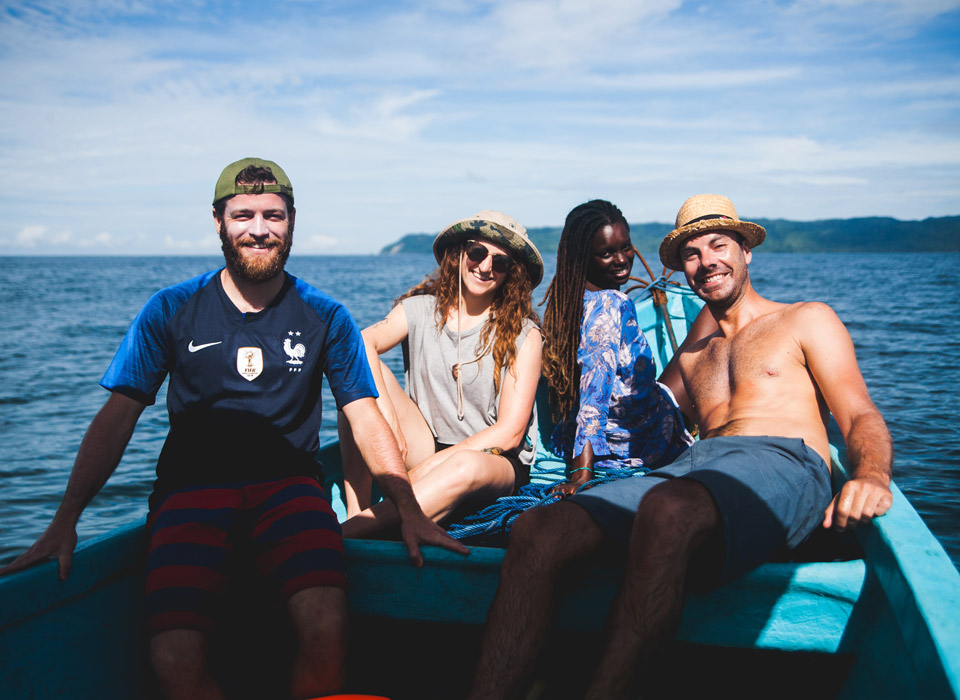
Panama during rainy season — the landscape turns lush and green while mornings stay clear and sunny
Best Time to Visit Panama by Trip Type
🗓️ Best Time by Activity
- Beach vacation (Pacific): January–April — dry, sunny, low humidity, reliable beach days
- Surfing Pacific (Santa Catalina, Venao): June–August — peak swell season
- Surfing Caribbean (Bocas del Toro): December–March — North Atlantic swells
- Whale watching: July–September — humpback whales and dolphins in Pacific waters
- Panama City sightseeing: Year-round — city activities unaffected by rain season
- Boquete highlands + coffee: December–April — drier, more comfortable hiking
- Budget travel: May, September or November — shoulder/off-peak pricing, still warm
- Turtle watching (Isla Cañas): August–November — olive ridley turtle nesting season
- Carnaval (Azuero Peninsula): February or March — Panama's biggest cultural celebration
Does Panama Get Hurricanes?
This is one of the most searched questions about Panama weather — and the answer is reassuring. Panama is almost entirely outside the hurricane belt. The country's geographic position south of the typical hurricane tracks means it is extremely rarely affected by tropical storms of any significance. This is a genuine advantage over other Caribbean and Central American destinations that carry real hurricane risk from June through November.
There are occasional tropical depressions that bring heavy rain to the Caribbean coast, but these are not hurricanes and are not structurally dangerous for vacationers. Panama's status as a hurricane-free destination is one of its underappreciated advantages for year-round travel planning.
What to Pack for Panama Weather
- Lightweight clothing — linen, cotton
- High-SPF sunscreen — sun is intense
- Wide-brim hat for midday sun
- Good sunglasses — UV protection
- Light layer for air-conditioned spaces
- Swimwear (no wetsuit needed)
- Flip flops and walking shoes
- Light fleece if visiting Boquete evenings
- Everything above, plus:
- Compact rain jacket or poncho
- Quick-dry clothing — dries faster after rain
- Waterproof bag for phone and electronics
- Waterproof sandals or shoes
- Insect repellent — mosquitos increase
- Reef booties if surfing reef breaks
- Dry bag for beach and boat days
One note on the no-wetsuit point: the ocean water in Panama is warm year-round — 26–30°C (79–86°F) on both coasts. You will not need a wetsuit for swimming, surfing or snorkelling in Panama in any month of the year. A rash guard for sun protection is useful but entirely optional.
Using Weather to Plan Your Panama Vacation
The practical upshot of all of this is that Panama is genuinely worth visiting in any month — the question is just which activities and which region to prioritise based on your timing.
If you're coming primarily for surf, the surf season guide is the most useful planning resource — it breaks down the Pacific and Caribbean surf windows month by month with spot-specific detail. If you're planning a broader vacation that combines surf with culture, beaches, the highlands and Panama City, the guide above gives you everything you need to set expectations and pack correctly.
The most important planning mindset for Panama weather is this: don't let the rainy season put you off. The surfers, adventurers and travelers who visit Panama in June, July and August come back with the best stories — because the waves are at their peak, the country is at its most beautiful, the crowds are manageable and the mornings are glorious. The afternoon rain is part of the experience, not a barrier to it.